Cottage cheese flatbread is the kind of recipe you’ll make once and then keep on repeat. It’s soft, flexible, and surprisingly satisfying for something so easy to throw together. You can use it like a tortilla, a wrap, or a quick pizza base, and it holds up beautifully.
Best of all, it takes just a handful of ingredients and a few minutes in the oven or on a pan. If you want a high-protein, low-fuss flatbread you can customize to your taste, this is it.
Table of Contents
Why This Recipe Works
- High protein, minimal effort: Cottage cheese adds structure and protein without needing yeast or long resting times.
- Blends into a smooth batter: Pureeing the cottage cheese creates a creamy base that bakes into a flexible bread.
- Customizable flavor: Herbs, spices, and different flours let you tailor the taste and texture.
- Great for meal prep: These flatbreads keep well and reheat quickly, so you can stack your week with easy meals.
- Works with everyday tools: No special equipment needed—just a blender and a sheet pan or skillet.
Ingredients
- 1 cup cottage cheese (small curd or whipped; 2% or full-fat both work)
- 2 large eggs
- 1/2 cup oat flour or finely ground rolled oats
- 2 tablespoons cornstarch or arrowroot (for flexibility)
- 1/2 teaspoon baking powder
- 1/2 teaspoon fine salt
- 1/2 teaspoon garlic powder (optional)
- 1/2 teaspoon onion powder (optional)
- 1 tablespoon olive oil (plus more for greasing)
- Freshly ground black pepper, to taste
How to Make It
- Preheat and prep: Heat the oven to 375°F (190°C). Line a large sheet pan with parchment paper and lightly oil it.
If cooking on the stovetop, preheat a nonstick skillet over medium heat and oil lightly.
- Blend the base: In a blender or food processor, add cottage cheese, eggs, olive oil, oat flour, cornstarch, baking powder, salt, and spices. Blend until completely smooth. The batter should be pourable but not watery, like thick pancake batter.
- Adjust consistency: If too thin, add a tablespoon more oat flour.
If too thick, add a tablespoon of water. Aim for a smooth, spreadable batter that holds shape when poured.
- Portion the batter: For the oven method, pour 4–6 circles of batter onto the prepared sheet, about 1/4-inch thick. Use the back of a spoon to spread evenly.
For the skillet method, pour 1/4 cup at a time and spread into a round.
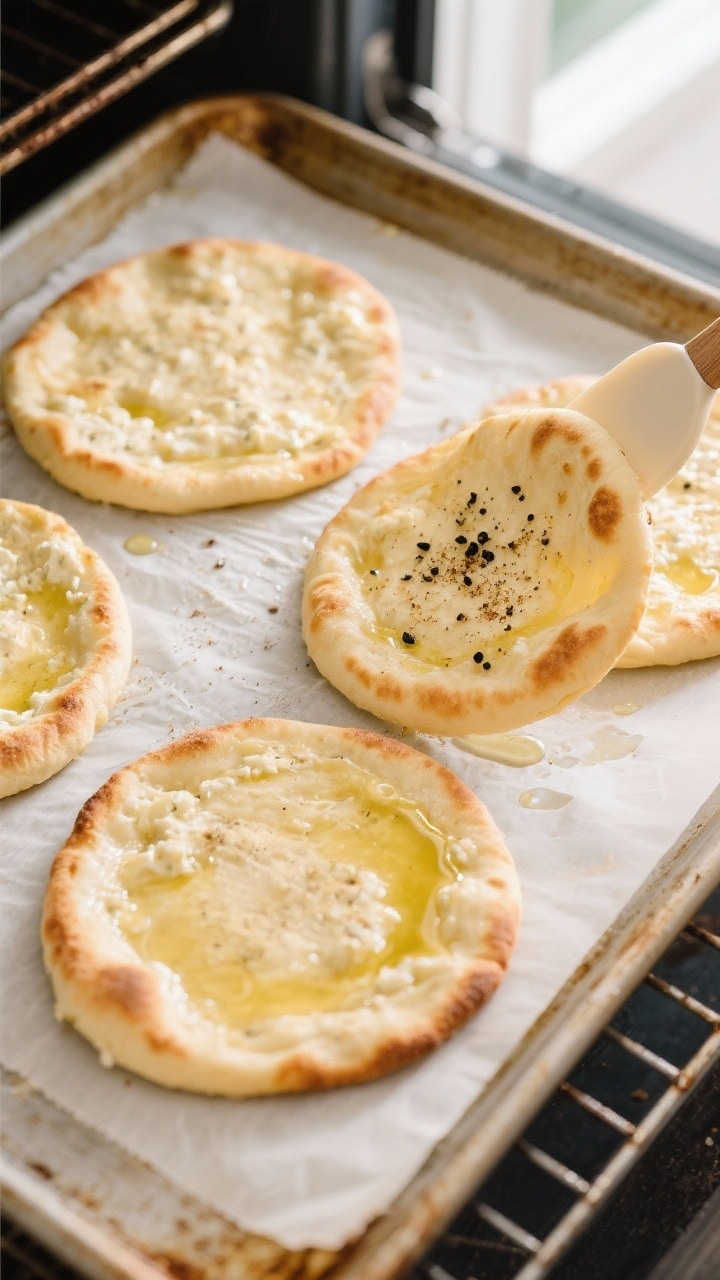
- Bake or cook: Oven: Bake 12–15 minutes until set, edges lightly golden, and centers no longer glossy. Skillet: Cook 2–3 minutes per side until golden spots appear and the flatbread feels firm.
- Cool briefly: Transfer to a cooling rack for a few minutes. This helps the flatbreads set and become more flexible.
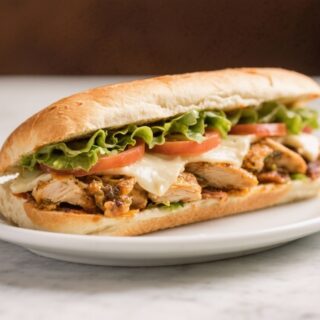
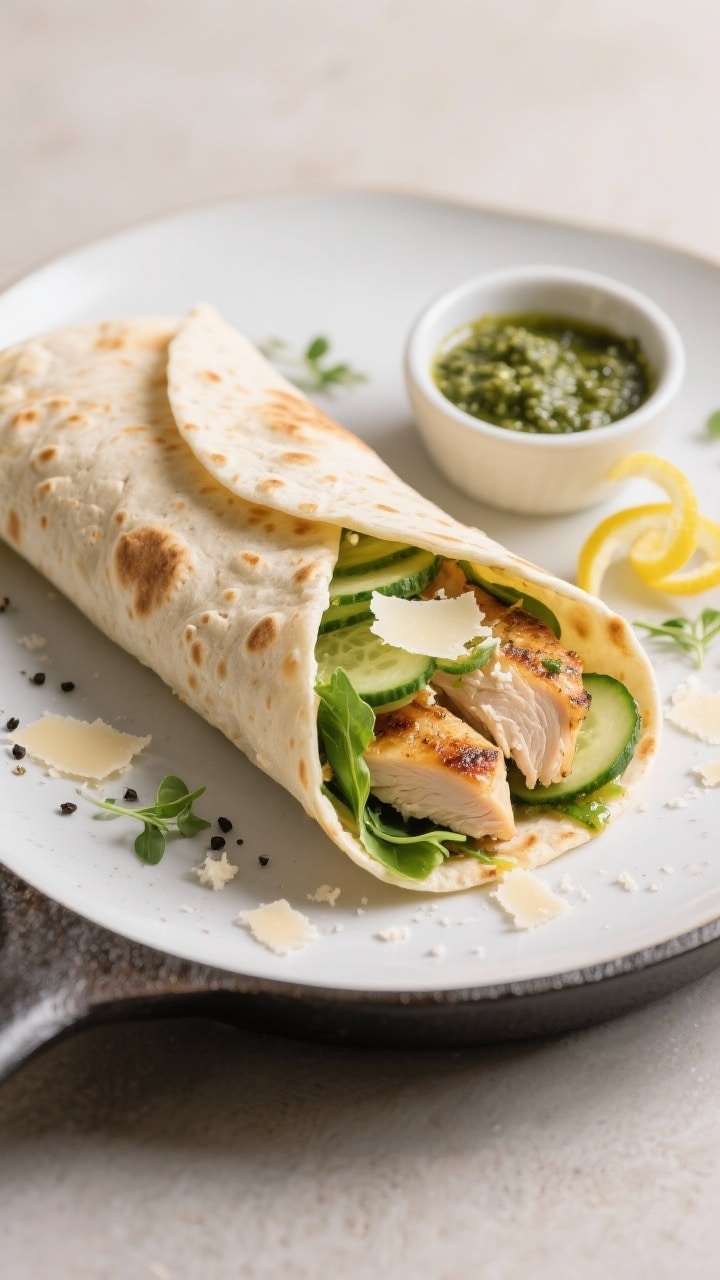
- Use or store: Serve warm as a wrap, taco base, or mini pizza crust.
Cool completely before storing.
How to Store
- Refrigerate: Keep in an airtight container for up to 4 days. Place parchment between layers to prevent sticking.
- Freeze: Freeze flatbreads in a single layer, then stack with parchment and store in a freezer bag for up to 2 months.
- Reheat: Warm in a dry skillet over medium heat for 30–60 seconds per side, or in a 325°F (165°C) oven for 5–7 minutes. Avoid microwaving too long; it can make them rubbery.
Health Benefits
- Protein-rich: Cottage cheese and eggs deliver a solid protein boost, helping with satiety and muscle repair.
- Lower in carbs: Using oat flour instead of wheat keeps the carbs modest while adding fiber.
- Calcium and B vitamins: Dairy provides calcium, B12, and riboflavin, which support bone health and energy metabolism.
- Customizable for dietary needs: Use lactose-free cottage cheese or gluten-free oat flour to tailor the recipe.
What Not to Do
- Don’t skip blending: Unblended curds create lumpy, tearing flatbreads.
Smooth batter is key.
- Don’t overbake: Too long in the oven makes them dry and brittle. Pull them when just set and lightly golden.
- Don’t pour too thick: Thick batter rounds won’t cook through evenly. Keep them around 1/4 inch.
- Don’t overload with toppings while hot: Let them cool a minute before piling on fillings to maintain structure.
- Don’t use a sticky pan: Always line with parchment or oil a quality nonstick surface to prevent tearing.
Alternatives
- Flour swaps: Use almond flour for extra richness (reduce oil slightly), chickpea flour for a nuttier taste, or white whole wheat for a classic feel.
- Dairy-free version: Substitute cottage cheese with a thick, unsweetened dairy-free yogurt and add 2–3 tablespoons nutritional yeast for savoriness.
Expect a slightly softer result.
- Egg-free option: Replace eggs with 2 tablespoons ground flaxseed mixed with 6 tablespoons water (rest 10 minutes). Texture will be more tender; cook a bit longer to set.
- Flavor boosts: Add chopped fresh herbs, a pinch of smoked paprika, za’atar, or grated Parmesan to the batter.
- Cooking methods: Try a cast-iron skillet for deeper browning or air-fry at 360°F (182°C) for 6–8 minutes per batch.
FAQ
Can I make the batter ahead?
Yes. Store blended batter in a sealed container in the fridge for up to 24 hours.
Stir before using, and add a splash of water if it thickens.
Why are my flatbreads cracking?
They were likely overbaked or spread too thin. Pull them when just set, and keep the batter about 1/4 inch thick. A little extra oil in the batter also adds flexibility.
Do I need to strain the cottage cheese?
No.
Blending handles the texture. If your cottage cheese is extremely watery, drain briefly to avoid a thin batter.
Can I make one large flatbread instead of several small ones?
Absolutely. Spread the batter into one large round or rectangle and bake a few minutes longer.
Let it cool slightly before slicing or topping.
How do I keep them from sticking?
Use parchment paper on a sheet pan or a well-oiled nonstick skillet. Let the flatbreads release naturally before flipping; if they resist, give them another 30–60 seconds.
Are these good for pizza?
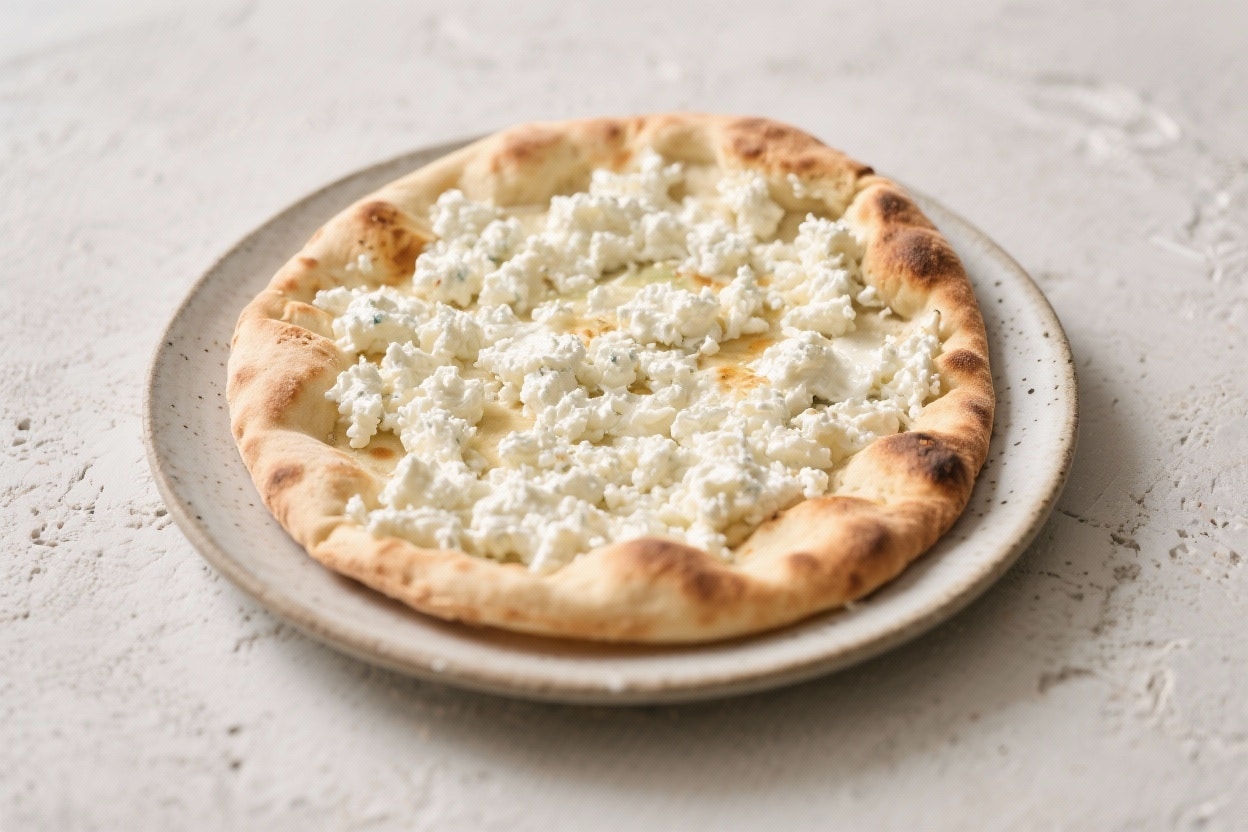
Yes. Bake the flatbread until set, add sauce and toppings, then return to the oven for 5–8 minutes to melt and brown.
Keep toppings light to maintain structure.
Can I reduce the sodium?
Use low-sodium cottage cheese and cut the added salt in half. Boost flavor with garlic, herbs, lemon zest, or pepper instead.
What fillings work best?
Think quick and fresh: grilled chicken and greens, hummus and cucumbers, scrambled eggs and spinach, or roasted veggies with a drizzle of pesto.
In Conclusion
Cottage cheese flatbread is a simple, reliable recipe that checks all the boxes: quick to make, high in protein, and easy to customize. With a smooth blended batter and a short bake, you get soft, flexible rounds that work for wraps, tacos, and easy pizzas.
Keep a batch in the fridge, and you’ll always have a satisfying base for fast, healthy meals.
Ingredients

Instructions
- Preheat and prep: Heat the oven to 375°F (190°C). Line a large sheet pan with parchment paper and lightly oil it. If cooking on the stovetop, preheat a nonstick skillet over medium heat and oil lightly.
- Blend the base: In a blender or food processor, add cottage cheese, eggs, olive oil, oat flour, cornstarch, baking powder, salt, and spices. Blend until completely smooth. The batter should be pourable but not watery, like thick pancake batter.
- Adjust consistency: If too thin, add a tablespoon more oat flour. If too thick, add a tablespoon of water. Aim for a smooth, spreadable batter that holds shape when poured.
- Portion the batter: For the oven method, pour 4–6 circles of batter onto the prepared sheet, about 1/4-inch thick. Use the back of a spoon to spread evenly. For the skillet method, pour 1/4 cup at a time and spread into a round.
- Bake or cook: Oven: Bake 12–15 minutes until set, edges lightly golden, and centers no longer glossy. Skillet: Cook 2–3 minutes per side until golden spots appear and the flatbread feels firm.
- Cool briefly: Transfer to a cooling rack for a few minutes. This helps the flatbreads set and become more flexible.
- Use or store: Serve warm as a wrap, taco base, or mini pizza crust. Cool completely before storing.